Chula Vista highlight
Historically the “Lemon Capital of the World”
Chula Vista was the center of California's lemon industry in the early 20th century, producing millions of boxes annually before agricultural economics shifted away from the region.
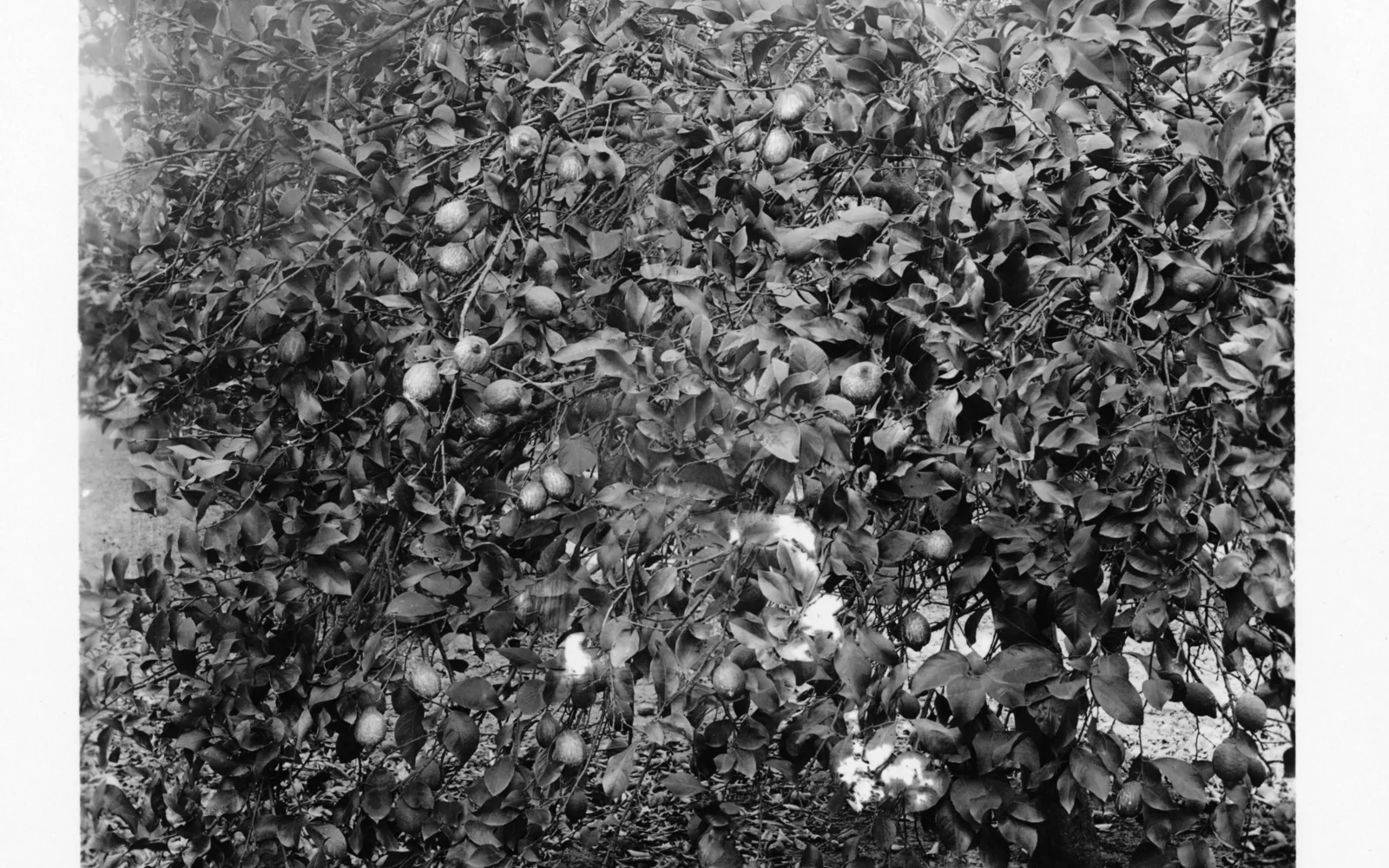
Chula Vista's reputation as the 'Lemon Capital of the World' began in the early 1900s when the city's soil, climate, and proximity to San Diego Bay made it ideal for large-scale citrus cultivation. Lemon growers from across California were drawn to the area, and by the 1920s and 1930s, Chula Vista was producing millions of boxes of lemons each year. The Chula Vista Lemon Growers Association coordinated production and marketing, and the industry shaped the city's identity and economy for decades.
The lemon industry brought population growth and economic development to Chula Vista. Packing houses, railroads, and supporting businesses flourished as farmers shipped lemons to markets across the country. Towns and neighborhoods grew up around the orchards, and families who arrived to work the groves often stayed to build permanent homes and raise children. By the mid-20th century, agricultural economics and suburban expansion gradually shifted the region's economy, and most of the historic orchards gave way to residential and commercial development.
The lemon heritage connects to the lives families build in Chula Vista today. Whether rooted in agricultural tradition or recent migration, Chula Vista households represent multiple generations choosing to stay and raise families here. Term life insurance—sized to a mortgage, dependent children, and years until they're independent—is the practical way families protect that commitment.